
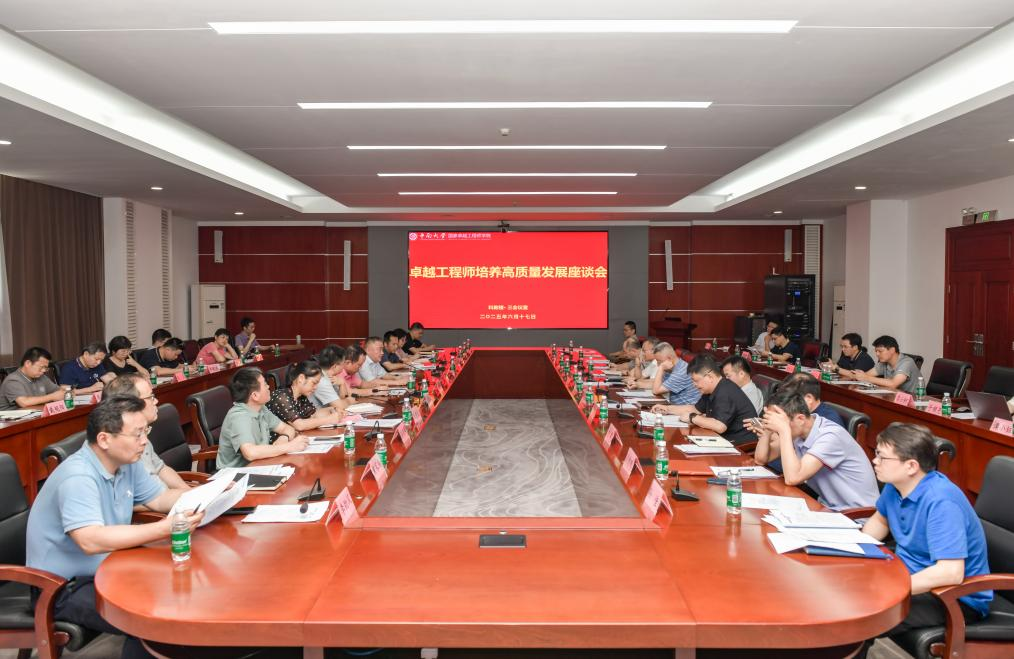
On June 17, the College's Symposium on High-Quality Development of Outstanding Engineer Cultivation was successfully held in Conference Room 3, Science and Education Building, Yuelu Mountain Campus. Zhao Zhongwei, Academician of the Chinese Academy of Engineering and Dean of the College; Sun Wei, Dean of the Graduate School; Cheng Qiongwen, Secretary of the Party Committee of the College; Chen Ailiang, Liu Fangyang, and Huang Keke, Vice Deans; and principal leaders from 22 co-construction units and college leaders in charge of graduate education attended the meeting. The meeting was chaired by Vice Dean Chen Ailiang.
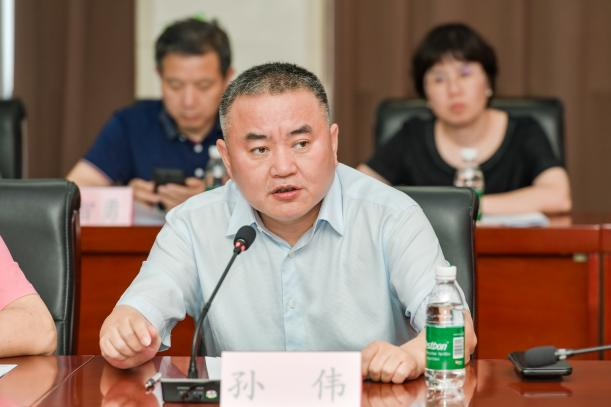
At the beginning of the meeting, Dean Sun Wei of the Graduate School, from the macro perspective of graduate education reform and combining the particularity of outstanding engineer cultivation, focused on training model innovation and practical pathways, pointing out the key priorities for the college's next steps. In his remarks, he emphasized that the college needs to rely on Central South University's disciplinary characteristics in new energy, artificial intelligence, and other fields, take "integration of industry and education" as the fundamental purpose, transform enterprise research platforms and production scenarios into student practice resources, and promote university-enterprise "supervisor teams" to collaboratively cultivate talent. He proposed that the college currently urgently needs to address issues such as office space expansion and strengthening interdisciplinary characteristics, while also recommending that talent recruitment focus on absorbing technical backbones from the industrial sector, encouraging enterprises to participate in "enterprise classroom" construction, and building higher-quality practice platforms for students, truly achieving deep synergy among "research, education, and industry."
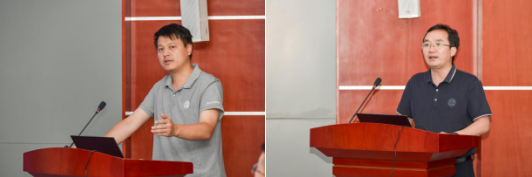
At the meeting, Vice Dean Liu Fangyang systematically introduced the college's basic construction progress and enrollment situation to the attendees. Vice Dean Huang Keke provided interpretation on specialized work including the characteristics of training programs and degree conferral standards.
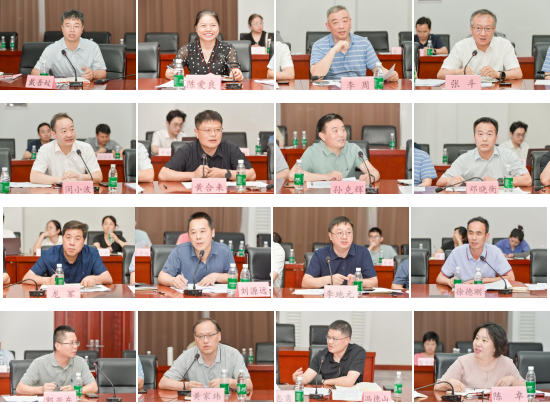
During the discussion and exchange session, attending leaders and experts conducted in-depth discussions around four core topics: "How to achieve 'excellence' in talent cultivation," "How platforms and co-construction units can support 'outstanding engineer' cultivation," "How universities can carry out 'organized research + university-enterprise collaboration' talent cultivation," and "How to mobilize the enthusiasm of enterprises and enterprise supervisors to participate in talent cultivation." Each expressed their own views, providing diverse perspectives for the integrated advancement of "education, science and technology, and talent."
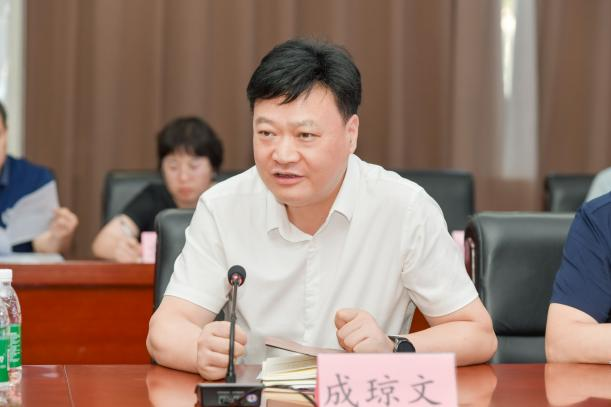
In his address, Secretary Cheng Qiongwen of the Party Committee pointed out that this symposium was an important opportunity for "collecting wisdom and gathering strength," summarizing previous exploratory experience while also directly confronting key issues in industry-education integration. He emphasized that the college will be oriented toward "solving practical problems," proactively connecting with the needs of co-construction units and enterprises, providing services in policy coordination and resource guarantee, jointly cracking the difficulties of industry-education integration, and fostering a favorable ecosystem for collaborative education.
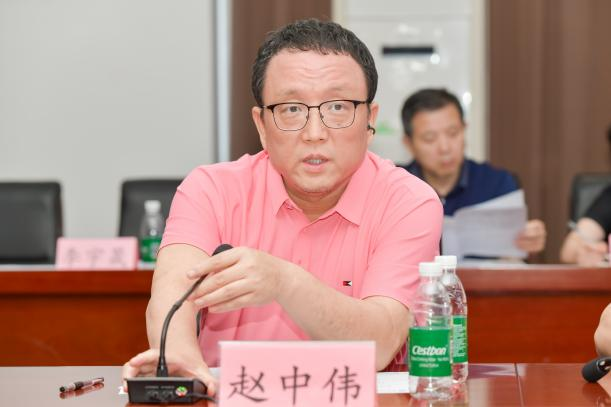
Finally, Academician Zhao Zhongwei of the Chinese Academy of Engineering and Dean of the College delivered concluding remarks. He fully affirmed the exploratory achievements of the college and participating construction units in the preliminary stage. He emphasized that the foundation of "excellence" lies in "shared excellence between teachers and students"—teachers need to enhance their academic and practical capabilities to higher standards, so that they can "produce students surpassing their masters"; students need to take root in enterprise practice, clarify their professional directions, and hone their skills in solving practical problems. He recommended that faculty from various colleges strengthen cross-field exchanges, stimulating innovation in cultivation models through intellectual collisions; actively connect with enterprise needs to enhance enterprise participation enthusiasm; and concentrate efforts on creating highlight work, forming replicable and promotable typical cases of outstanding engineer cultivation.
This symposium successfully completed all agenda items amidst the collision of ideas. Going forward, the college will systematically summarize the meeting outcomes, join hands with co-construction units, and fully build the "Central South Model" for outstanding engineer cultivation, contributing "Central South Power" to serving national strategic needs and building an engineering education and cultivation system with Chinese characteristics