
On the morning of October 18, 2025, the opening ceremony of the first "Digital Engineering Design Leadership Class" was grandly held at Jingui Building, Xiaoxiang Campus. Cheng Liu, Secretary of the Party Committee and Chairman of China ENFI Engineering Corporation; Bing Li, Director of the Science and Technology Management Department of China Nonferrous Metals Engineering & Research Institute Co., Ltd.; Yue Zhang, Assistant to the Director of the Human Resources Department; Yong Xi, General Manager of China ENFI Engineering Corporation Changsha Branch; Qiongwen Cheng, Secretary of the Party Committee; Ailiang Chen, Vice Dean; Qinmeng Wang, Vice Dean of the School of Metallurgy and Environment, and other university-enterprise leaders and guests attended the ceremony, which was presided over by Vice Dean Ailiang Chen. Over one hundred outstanding students from various programs of the college participated as the first cohort of the Leadership Class. On-campus supervising teacher representatives, including Zhihong Peng and Qinggang Li, jointly witnessed the launch.
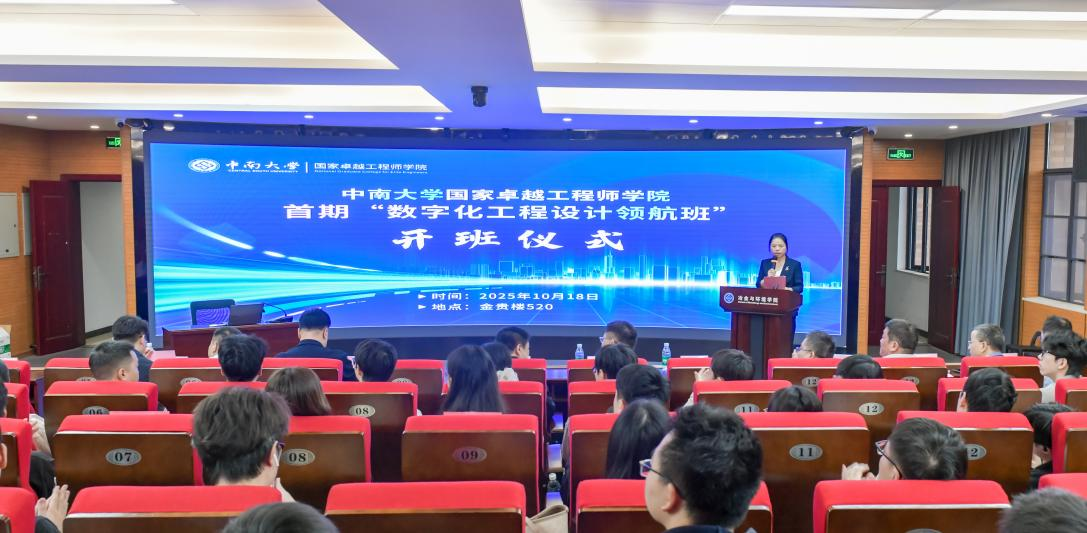
In his address, Secretary Qiongwen Cheng emphasized that digital engineering design is the core driving force for industrial upgrading. He pointed out that 2025 is a critical year for the in-depth advancement of the national "14th Five-Year Plan" for intelligent manufacturing. The launch of the Leadership Class is both an inevitable choice in response to national strategy and an innovative practice to address the "design weakness" in engineering education. "I hope that students will hone their capabilities with an attitude of 'investigating things to extend knowledge and striving for excellence,' integrate personal ideals into the construction of a manufacturing powerhouse, and realize the value of life in solving 'bottleneck' technical challenges."
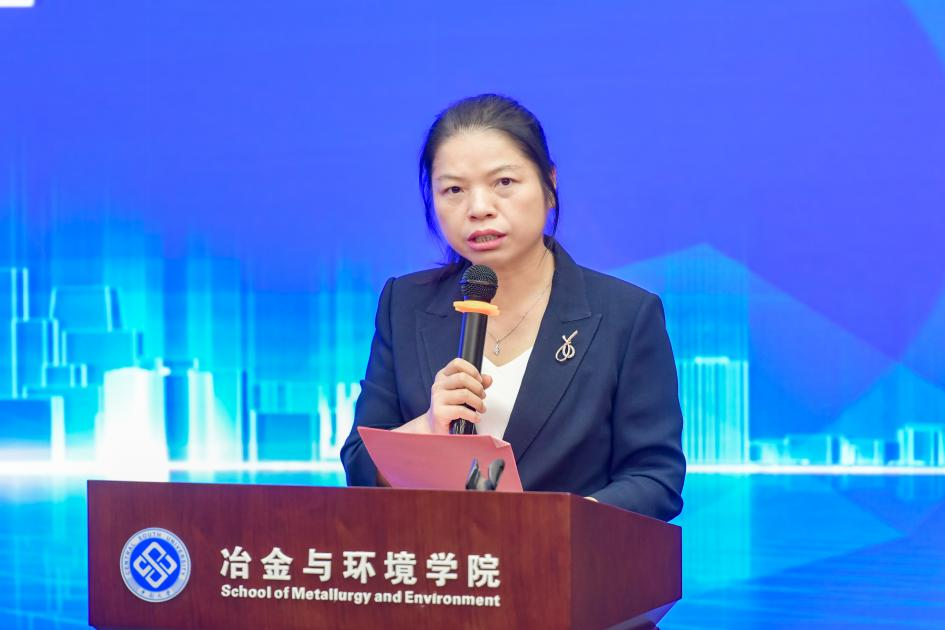
Vice Dean Ailiang Chen provided a systematic interpretation of the Leadership Class training program. This project focuses on the application of digital design tools and the cultivation of engineering practice capabilities, integrating resources from on-campus supervisors and experts from top design institutes such as China ENFI and Changsha Engineering & Research Institute of Nonferrous Metals. Through 32 class hours of theoretical teaching and case-based practical training, it covers the entire design chain including process optimization and technical-economic analysis. "Upon completion of the course, students are required to submit original workshop layout drawings and main equipment drawings. Outstanding works will be exhibited in the Science and Education Building and organized for defense and evaluation."
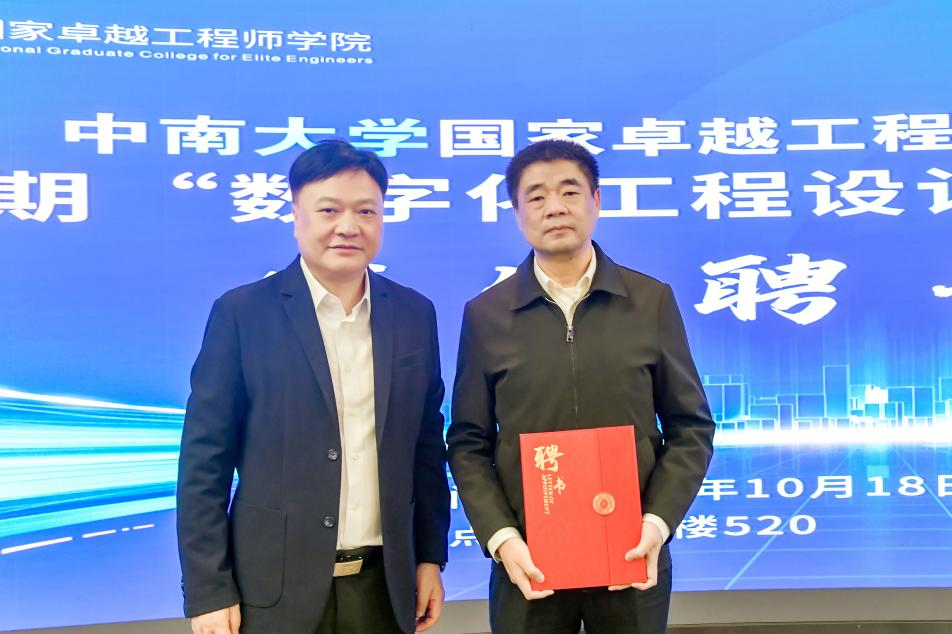
Secretary Qiongwen Cheng presented the "Enterprise Supervisor Appointment Letter" to Chairman Cheng Liu. As a distinguished alumnus of Central South University, Chairman Cheng Liu has long been committed to technological innovation and transformation of achievements in nonferrous metals metallurgy. Enterprise experts represented by Chairman Liu will collaborate with on-campus faculty to co-develop courses and jointly guide students, with both the university and enterprise working in deep cooperation to enhance students' engineering design capabilities.
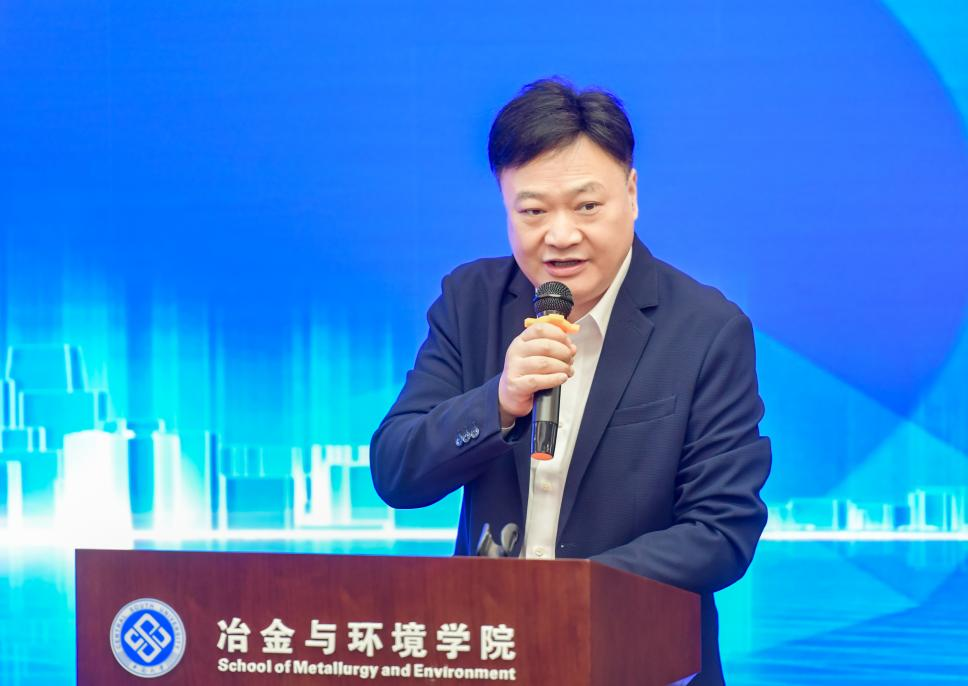
Following the opening ceremony, the first lecture of the inaugural Leadership Class, "Development and Prospects of Mining and Metallurgical Engineering Design—From Delivering Drawings to Delivering Data," was officially delivered. Speaker Chairman Cheng Liu, from the perspective of an industry transformation witness, systematically elaborated on the paradigm restructuring of engineering design by digital transformation from four core aspects: First, the essential connotation of engineering and engineering design, which must balance technical, economic, and safety values; second, the three-stage evolution of mining and metallurgical engineering design, namely the hand-drawing era, the CAD-assisted era, and the digital transformation era; third, core digital design technologies, including three-dimensional visual modeling, intelligent process simulation, and full life-cycle data management; fourth, future challenges, including the need to address low-grade resource development, green and low-carbon constraints, and talent capability restructuring.
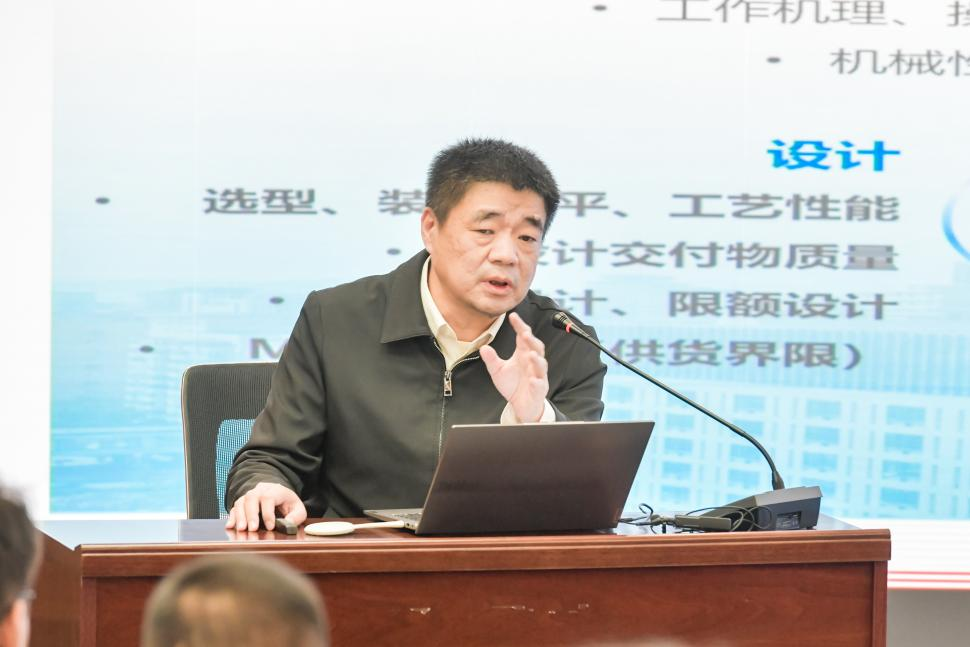
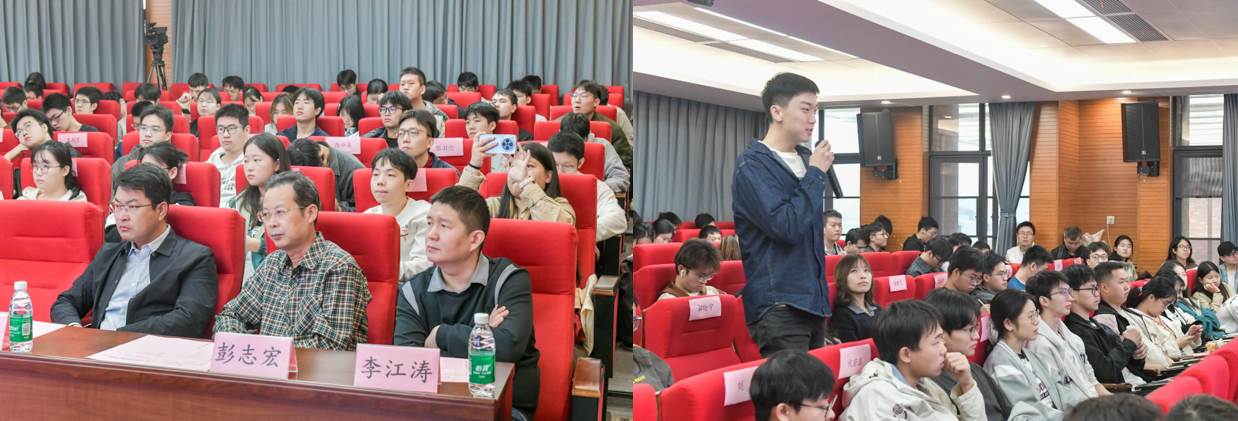
During the interactive exchange session, students actively raised questions on topics such as "the application of digital design tools in complex mining and metallurgical projects" and "how young engineers can balance technical depth with cross-disciplinary vision." Drawing from his own research experience, Chairman Cheng Liu advised students to, on the basis of mastering tools such as CAD and BIM, focus on cultivating data thinking and engineering ethics awareness. He encouraged everyone to "write their theses at the mine site" and accumulate capabilities for solving complex problems through practical projects. The atmosphere was enthusiastic, and the students expressed that they were deeply inspired.
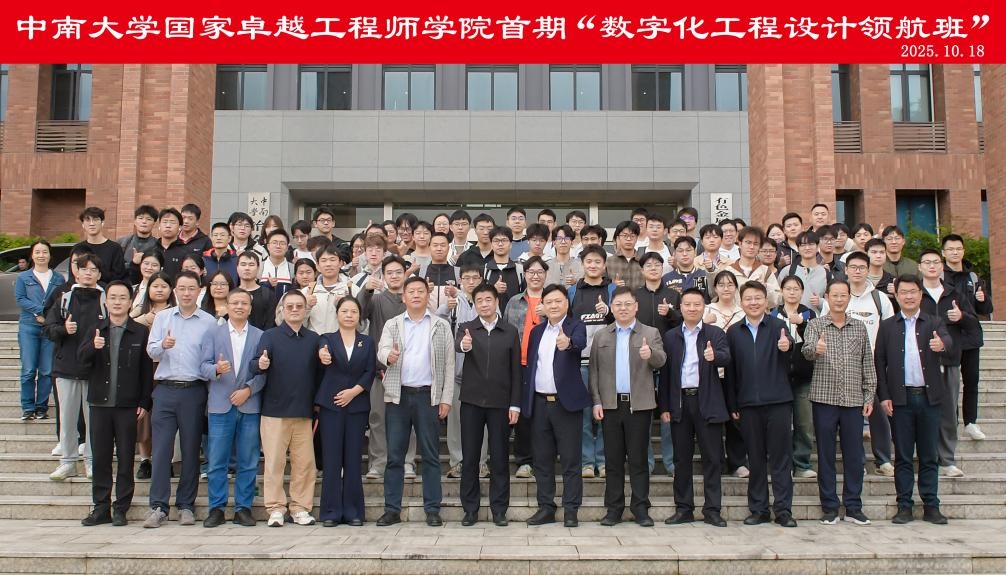
The successful holding of this opening ceremony and the first lecture marks a crucial step for the college in the field of digital engineering talent cultivation. The college will use the Leadership Class as a starting point to continuously deepen university-enterprise collaborative education. Through the integration of the "disciplinary chain, industrial chain, and cultural chain," it will cultivate a cohort of engineering leaders who possess both patriotism and technological innovation capabilities, injecting "Central South Power" into the construction of a manufacturing powerhouse.
(First Review: Yu Shunyao; Second Review: Lei Xiaoke; Final Review: Chen Ailiang)